How The Homeowner Can Help With A Wet Basement

The first question we get asked is "how can I help?" While the Great Lakes Waterproofing System works in nearly all applications, there are steps that can be taken to help insure that the basement dries up completely. The most common problem is improper drainage away from the structure, make sure gutters are attached properly and the extensions are long enough to clear all obstructions including patios, sidewalks, trees, etc.
For a typical mid-size house 1/2" of rain on the roof will be over 150 gallons of water, some houses only have two downspouts so over 75 gallons of water could be concentrated in one area. This is why it's crucial that the water is channeled away from the structure and not left to saturate into the ground near the foundation. Our experience has shown that even placing plastic on the ground around the house does little to channel the water away if other steps are not taken first.
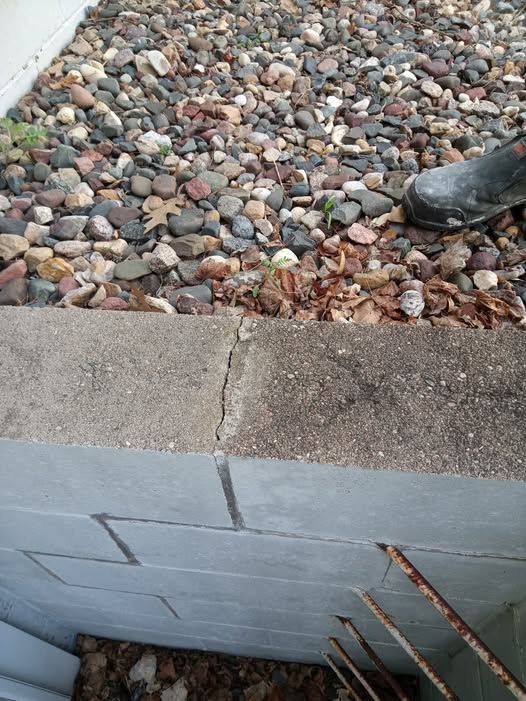
Another place overlooked is the window wells. The gravel should be at least 4" thick and about 8" below the bottom of the window. Over time debris builds up in the wells and if not cleaned out will provide water an easy entrance between the window frame and the wall.
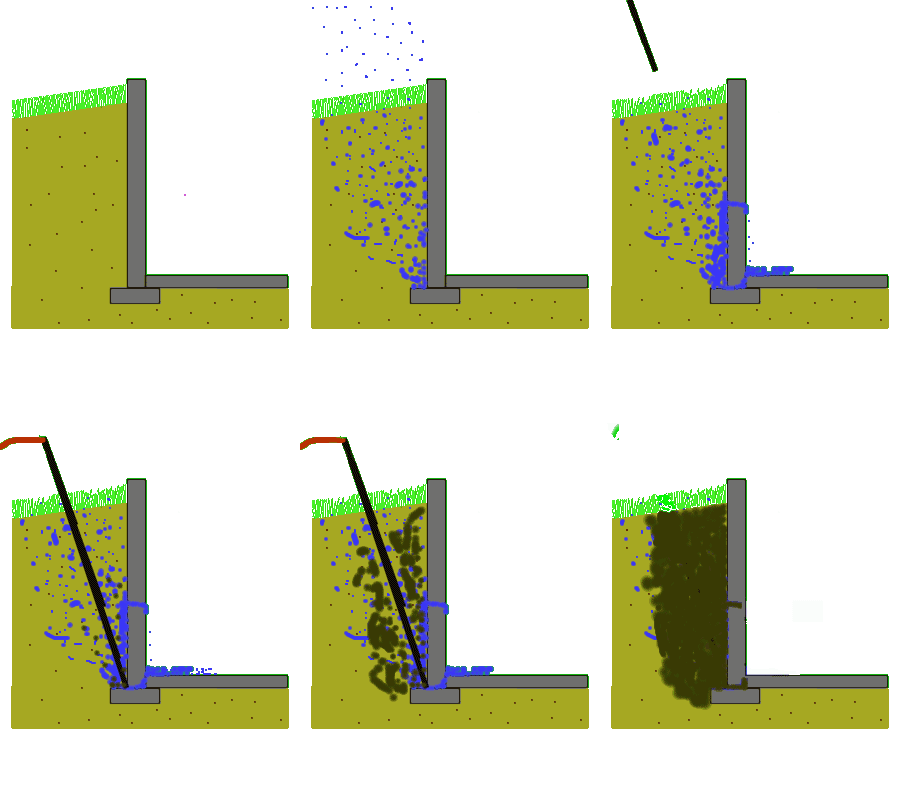
Last but not least, observe the concrete and pavers around the house. Over time these will settle (usually sloping towards the house) providing a funnel of water right into the basement. Look for the tell-tale signs of dirt and sand built up on the concrete or pavers. Proper surfaces should be slightly above the ground with a slight slope away from any structures. Large voids will develop under concrete, asphalt or pavers, that's one of the reasons its sinking. Exterior Basement Waterproofing will fill these voids, stabalizing the soil and prevent water from building up in these areas.



New Paragraph